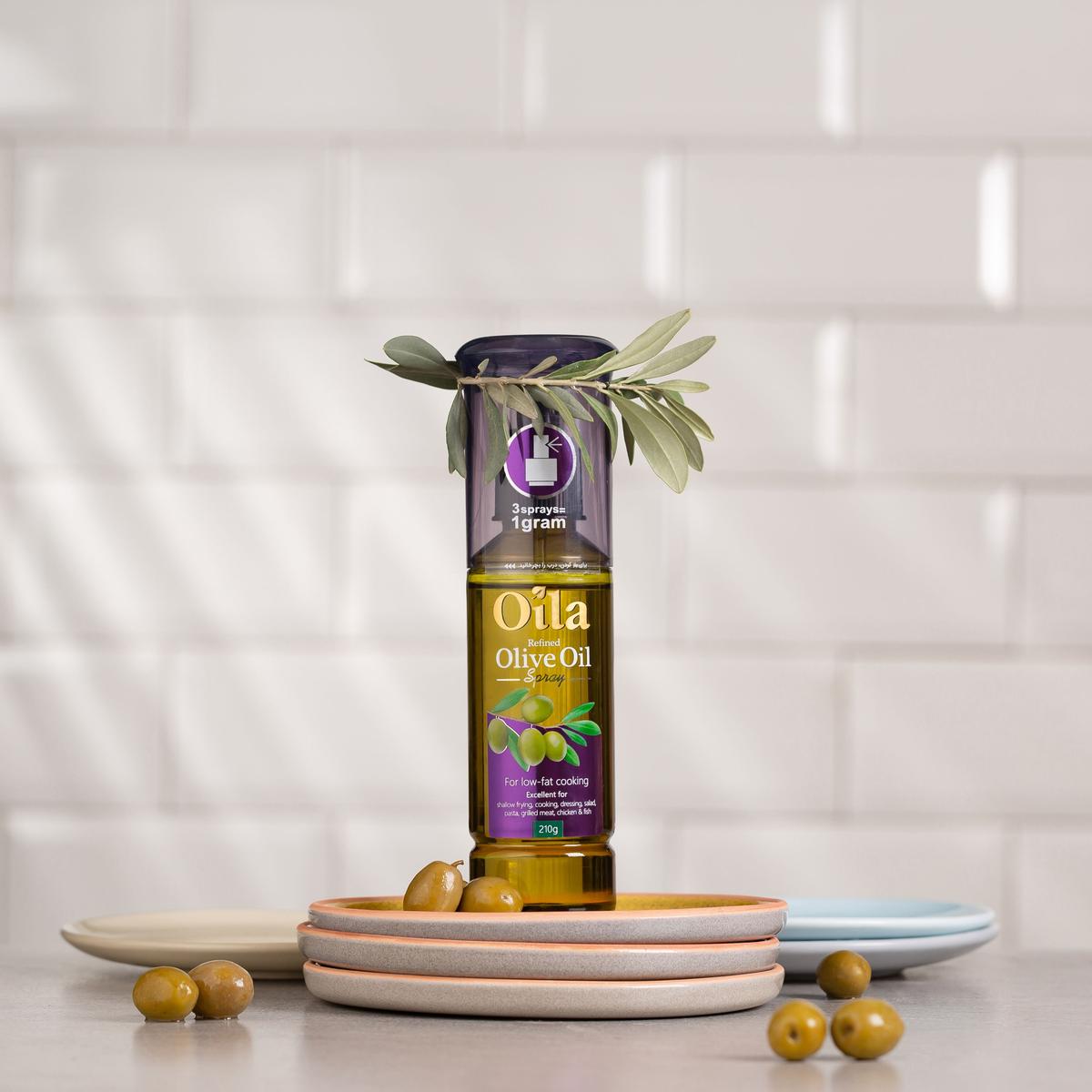
Creative Design
Good design doesn't just look pretty, it moves products.
At Lamana, we blend cultural insight, market trends, and bold creativity to design packaging, visuals, and content that stop thumbs and start conversations. Whether it's a product label, an Instagram carousel, or a digital billboard, we design with one goal: making your brand unforgettable.
Want to see what that looks like? Scroll through our latest creations and see the work speak for itself. Have a design problem to solve? Ping us or hit that form. We love turning briefs into beauty.
How we think about creative work
There is a comfortable assumption in FMCG that creative quality is a dial: better craft, better results, indefinitely. We do not believe it.
Product-led creative works up to the threshold of category familiarity. Past that point our judgement is that additional product-focused work buys recognition the buyer already has, rather than preference. We brief against that assumption rather than against a tracking study, because we do not run one — and we would rather say so than dress a working belief up as a finding. The full argument, and a test for knowing which side of the threshold a brand is on, is set out in where product-led creative stops working.
A caveat about the evidence below. These campaigns span two very different markets. The Gulf work and the Iranian work are cited as evidence of what the craft does at different levels of brand familiarity — not as a single market ladder, and not as a claim that an Iranian audience's response predicts a Gulf one. It does not.
Below the threshold, the job is sensory and specific. For MoguMogu Middle East the campaign was built around a single physical sensation — the puffed cheeks after a sip of nata de coco — and produced as five distinct graphic and motion sets, one per flavour, running across 23 Carrefour branches in the UAE in two bursts in May and August 2025.
Above it, the work is trying to occupy a routine rather than win recognition. Mana Routine is the widest version of that in our archive: January to July 2025, six chapters, more than 65 videos and over 150 stories, moving across stop-motion, CGI, photomontage, podcast, influencer reels, and in-app and in-game advertising.
What we actually deliver
Visual identity and packaging, campaign concepts and key visuals, motion and CGI, stop-motion, photomontage and retouching, social-native formats, and platform-specific cutdowns that are designed for their slot rather than trimmed into it.
The unglamorous half matters as much. Deciding the deliverable list before the shoot rather than after is one of the largest and least examined levers in a production budget: version count is set by decisions made weeks before anyone picks up a camera, and it is where money quietly leaves.
What we don't do
We don't deliver a look without an argument for why it should work. We don't accept a brief that asks for more of what has already hit its ceiling without at least saying so first. And we don't measure brand-building work on the instrument built for short-path performance work.
Work with us
Send a brief, or send the last campaign and ask us where the ceiling is. If the honest answer is that your current approach still has room in it, we will tell you that too.

When Pasta Entered the Mafia World
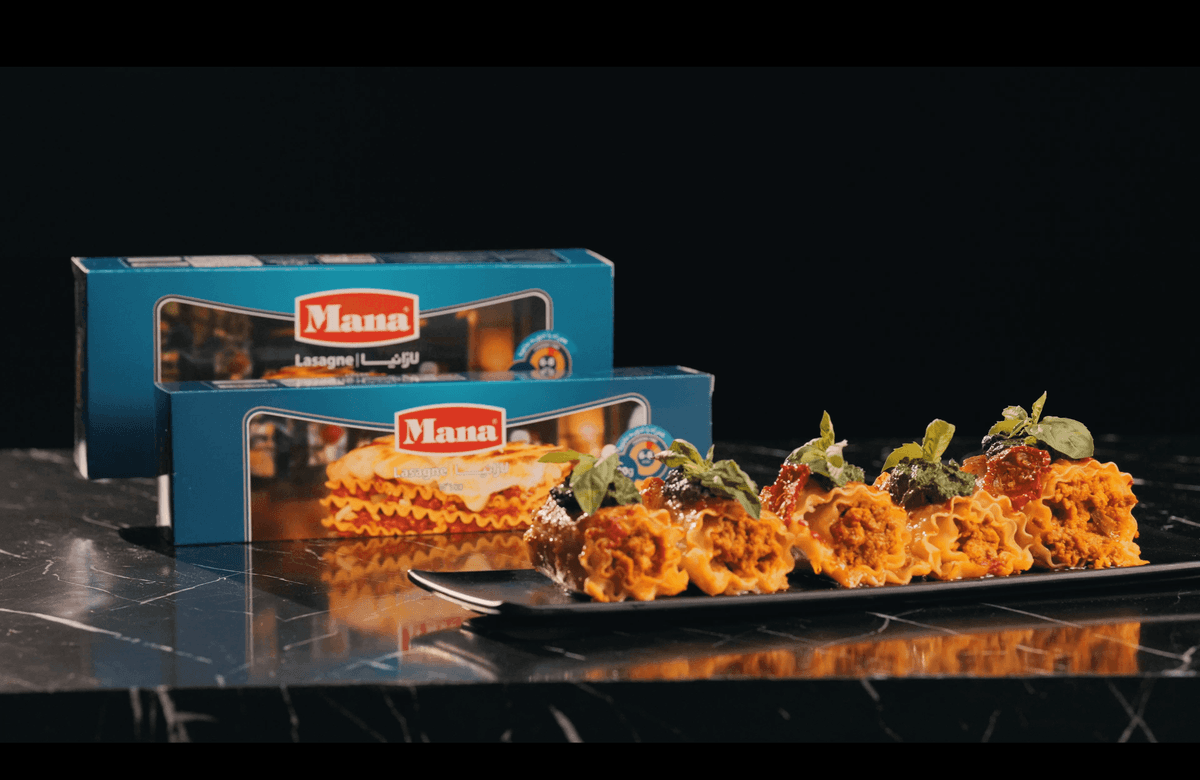
When Food Became the Show's Undercover Star

When the Product Told Its Own Story

When Pasta Turned Every Job Into Cooking

When Saffron Built Its Own Media
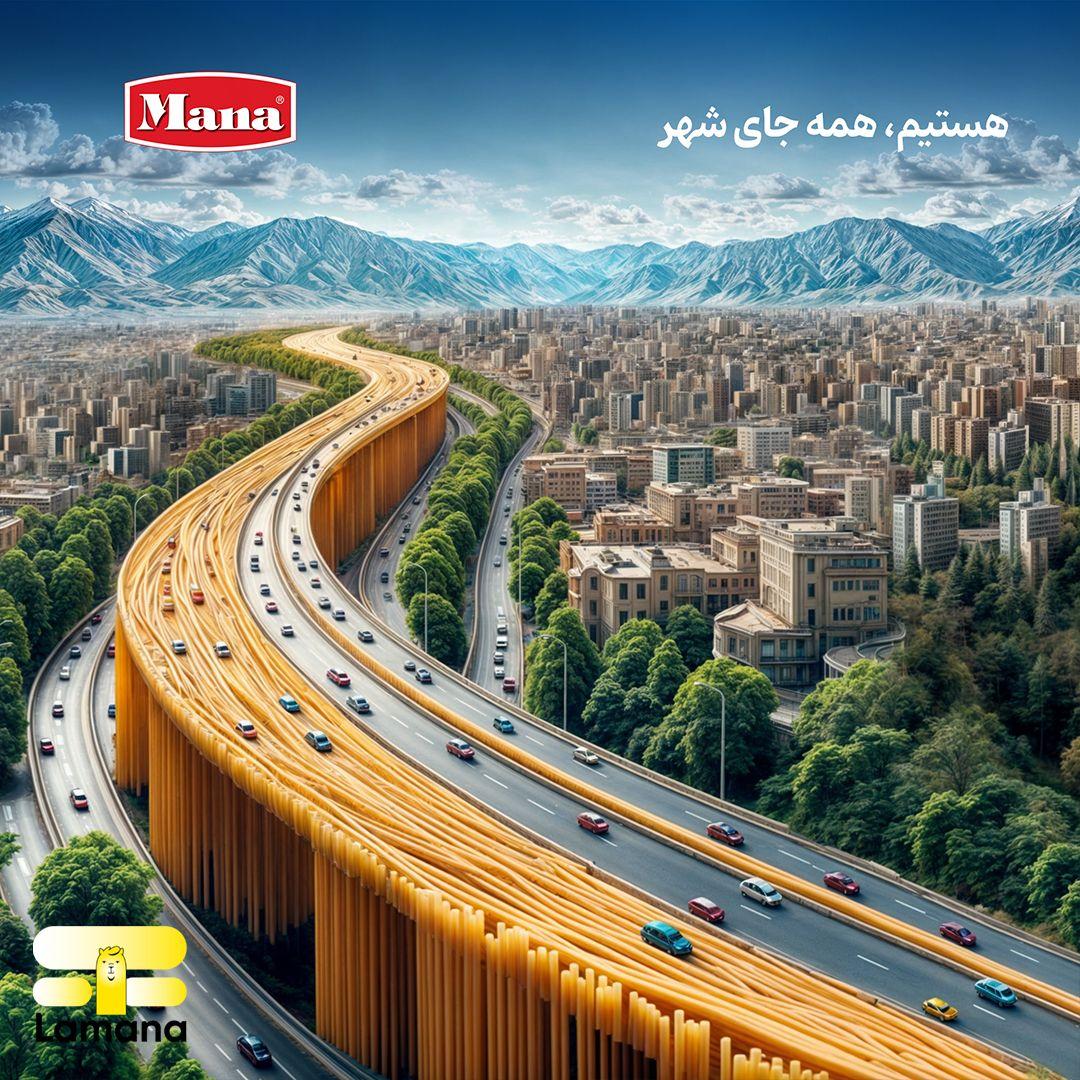
When Subway Stations Took on the Flavor of Mana
Calin Never Makes It to School!

When Mogu Mogu Turned Flavors into Personalities
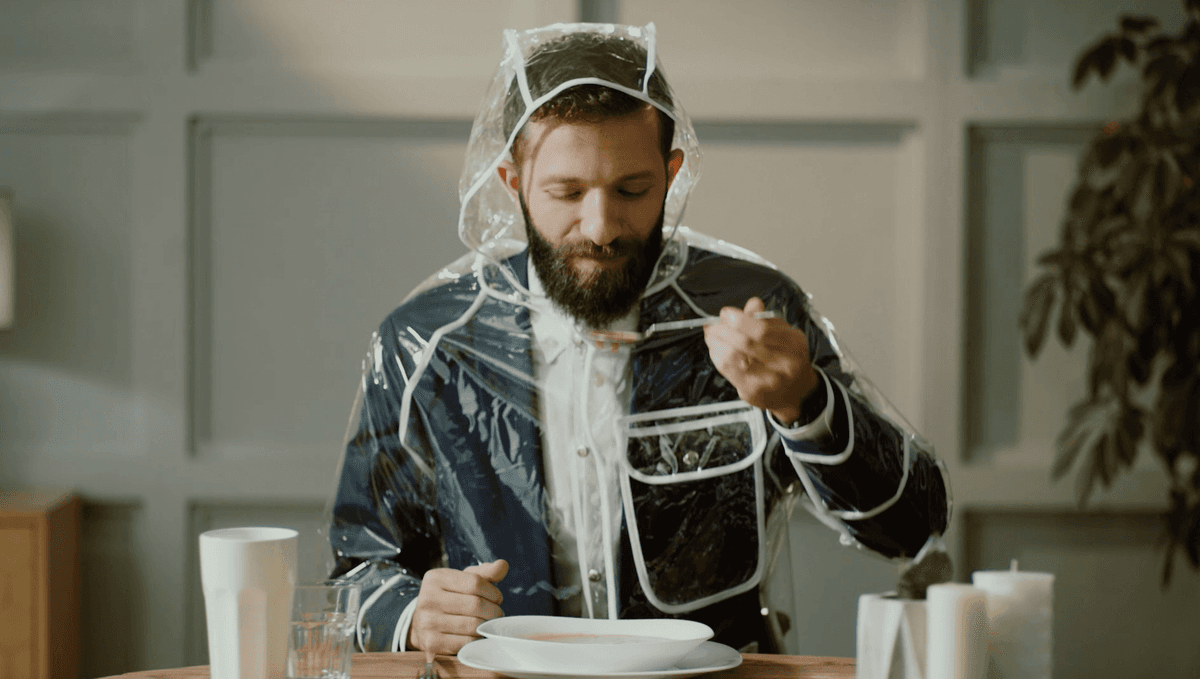
Think Ahead, Before It Happens
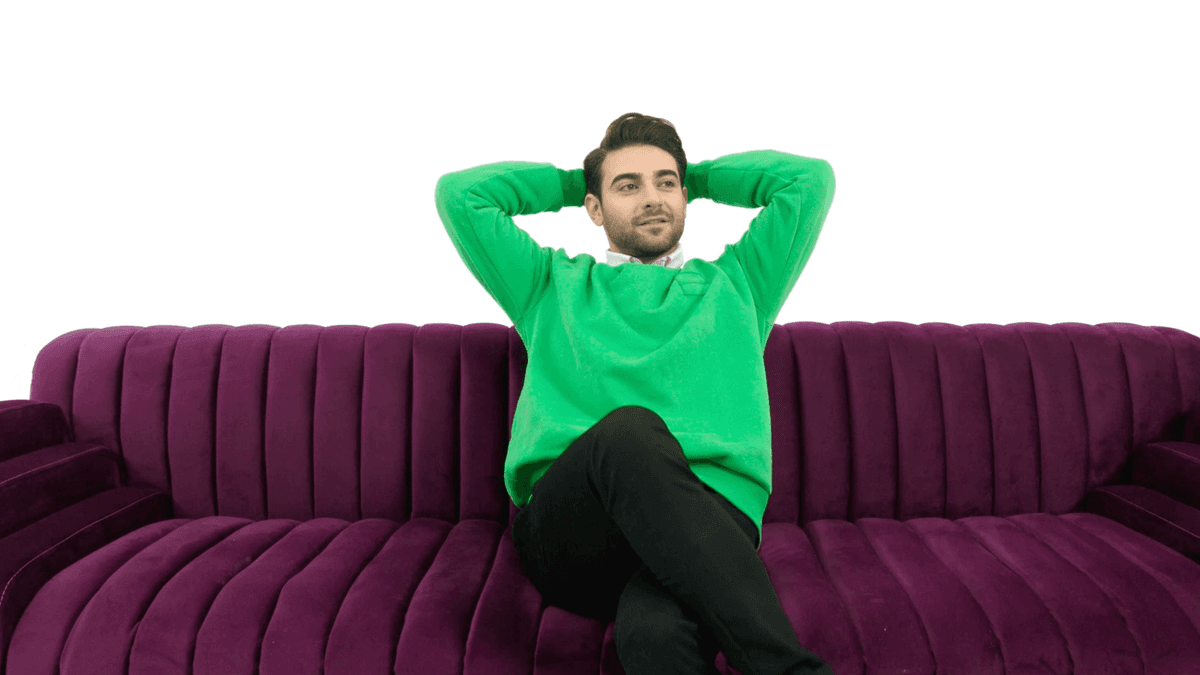
A Timeless Ad for All Kinds of Insurance

Travel With Every Type, Stay With Otaghak
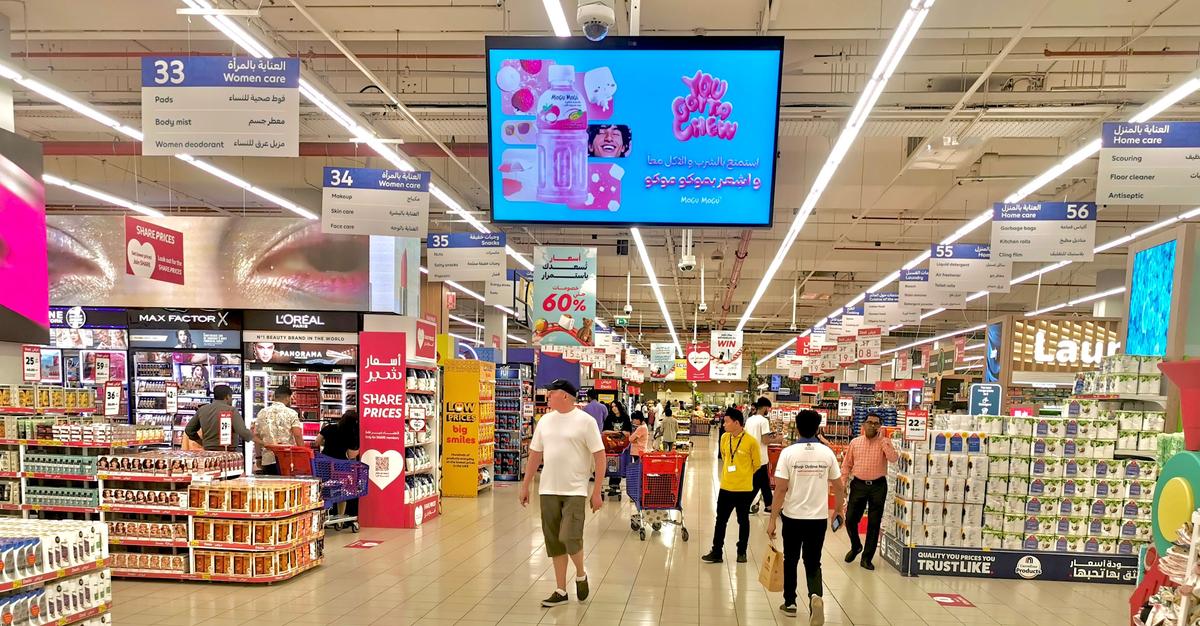
MoguMogu, When Cheeks Puff Up!
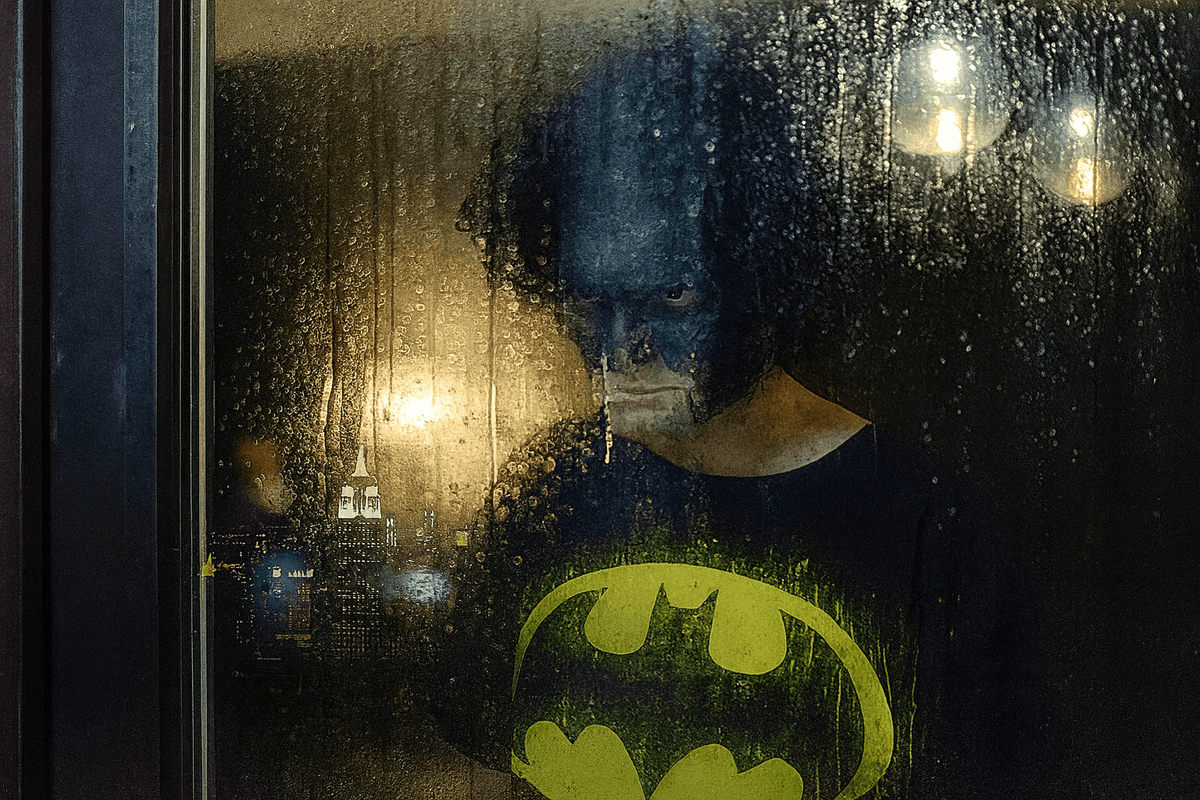
When It's Original, You're at Ease
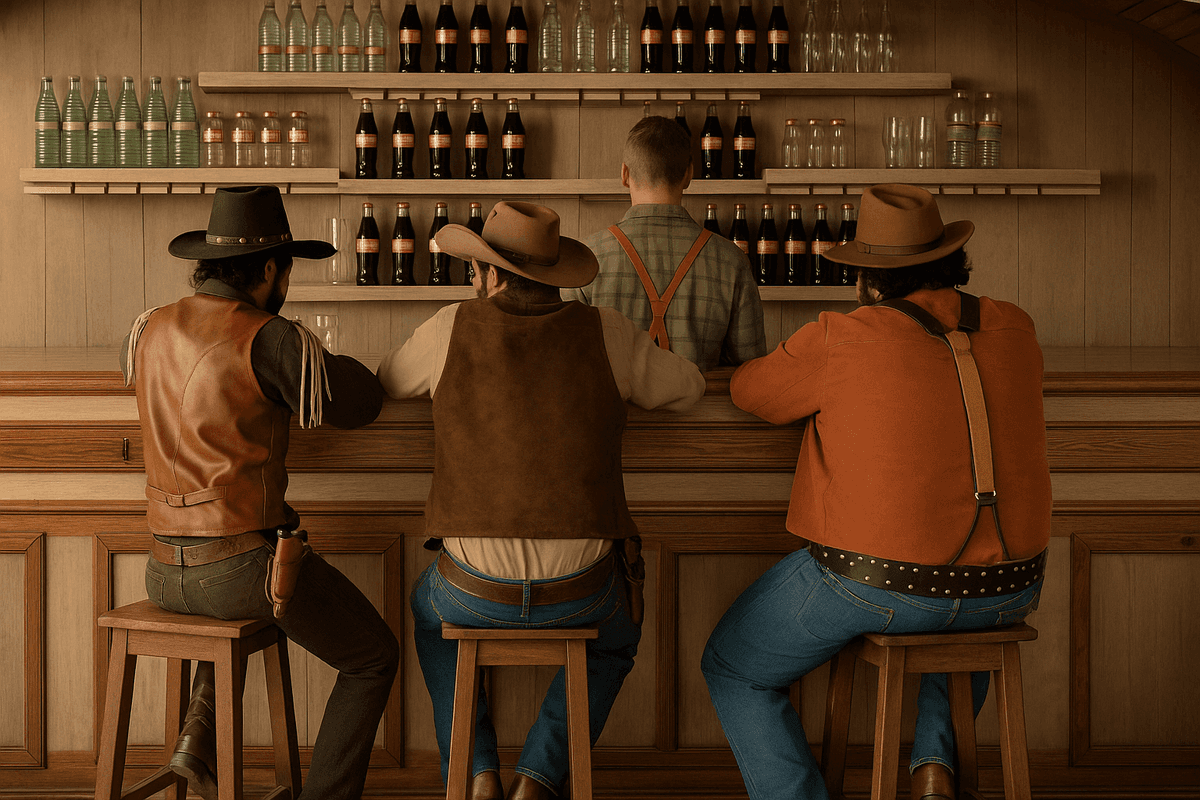
A New Cowboy in Town: Luckydo
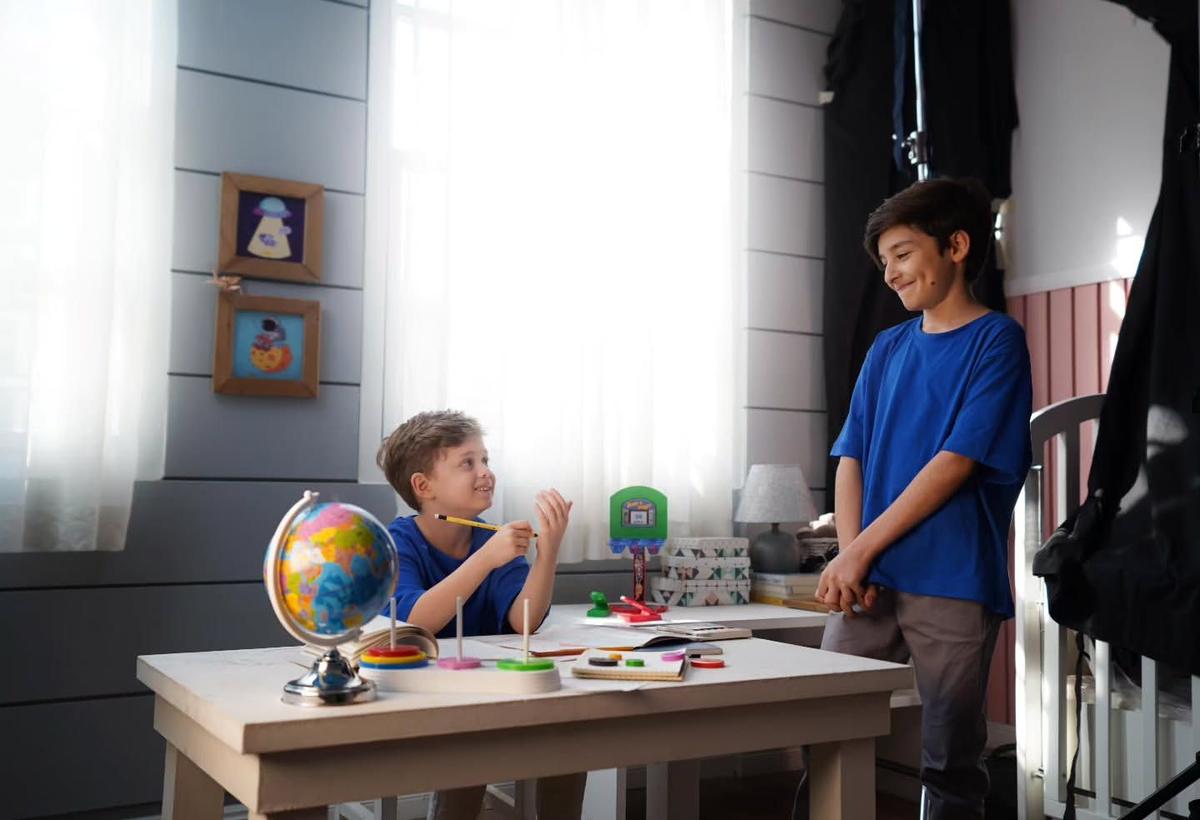
Where Success Starts in Childhood
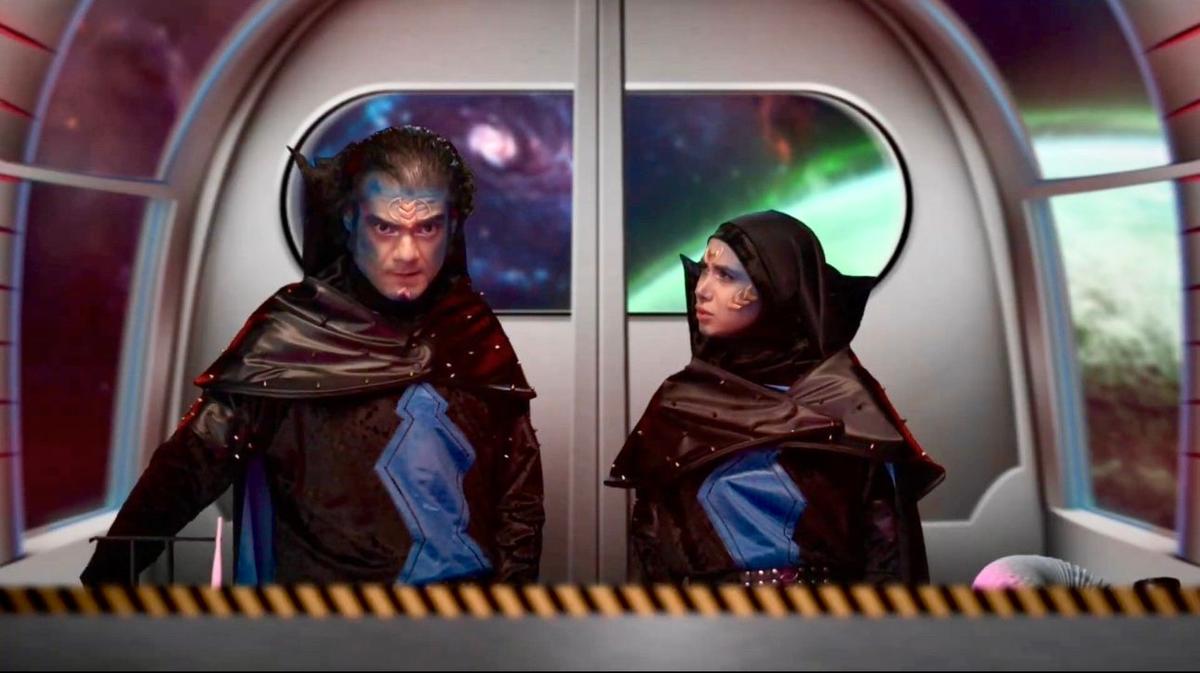
Space Honeymoon Destination Iran
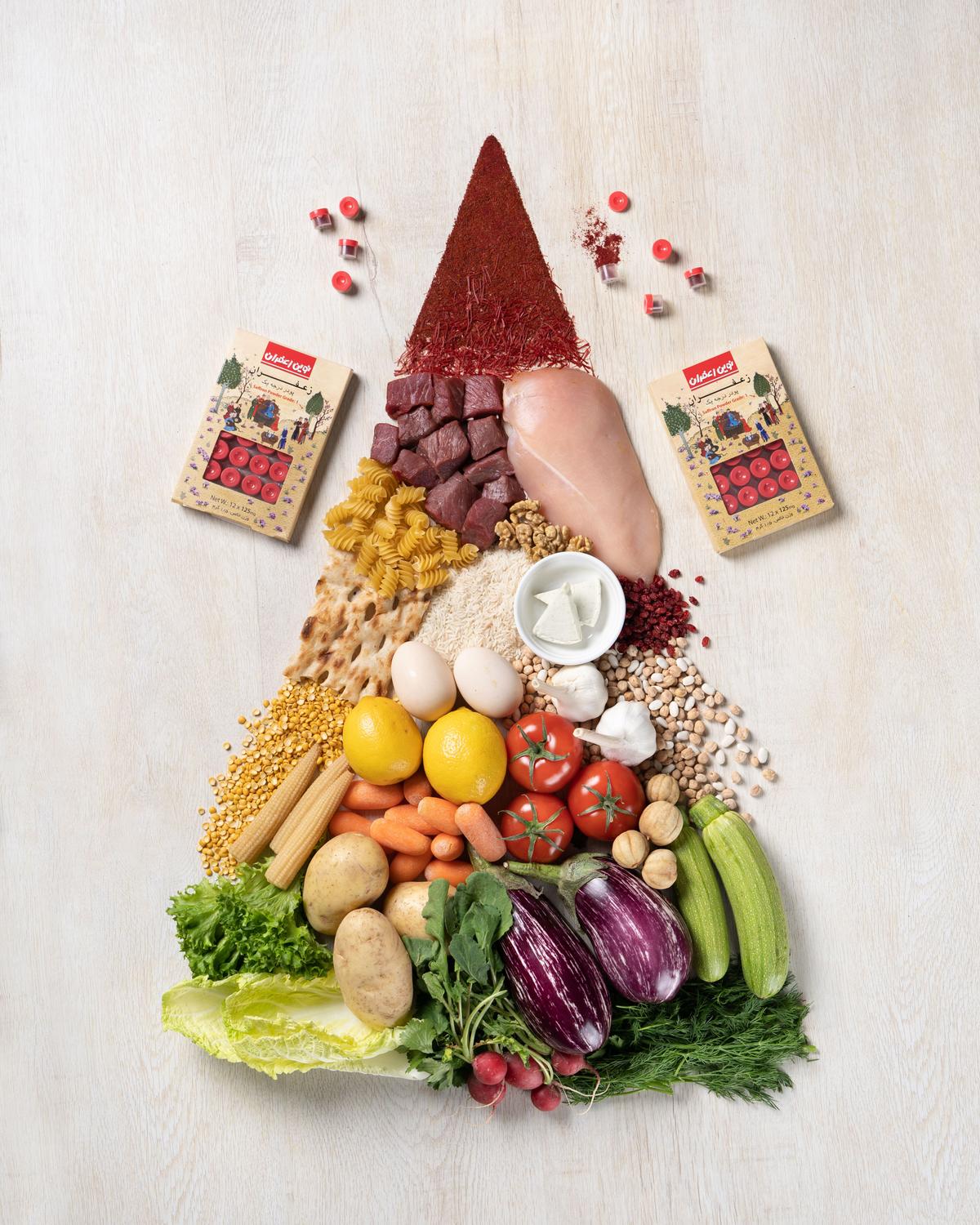
Iranian Saffron, More Global Than Ever

15 Seconds. 4 Apps. Infinite Impact.

When Sound Bends Time

A Daily Story: Told Through Image, Sound, and Taste

When Canned Foods Take the Lead

When Your Cheeks Smile, You Know It’s Right
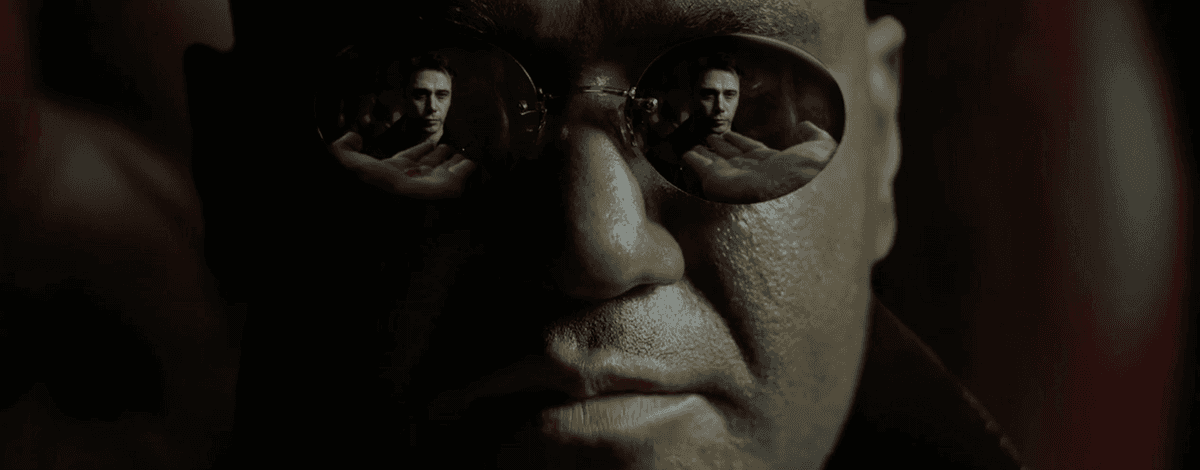
Aparat
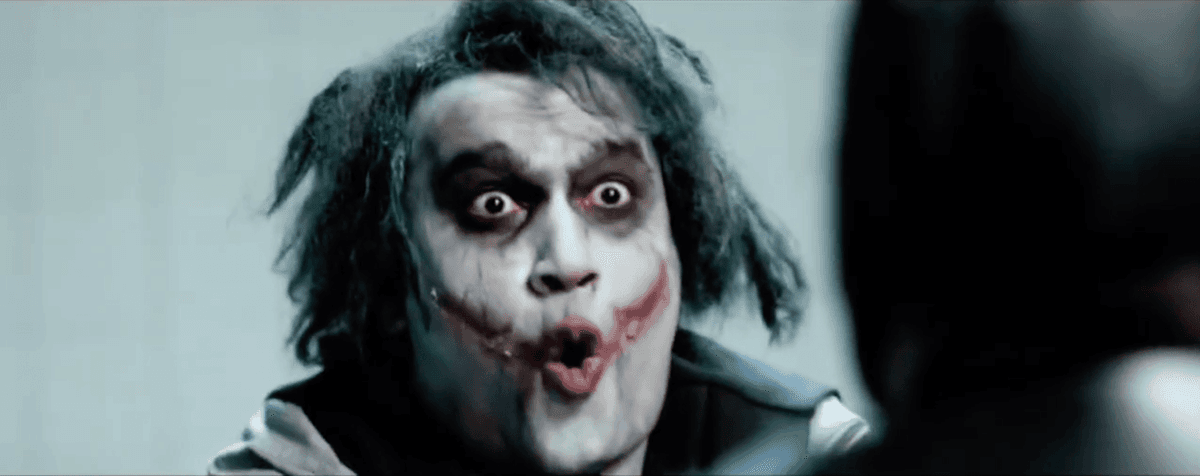
BimehBazar
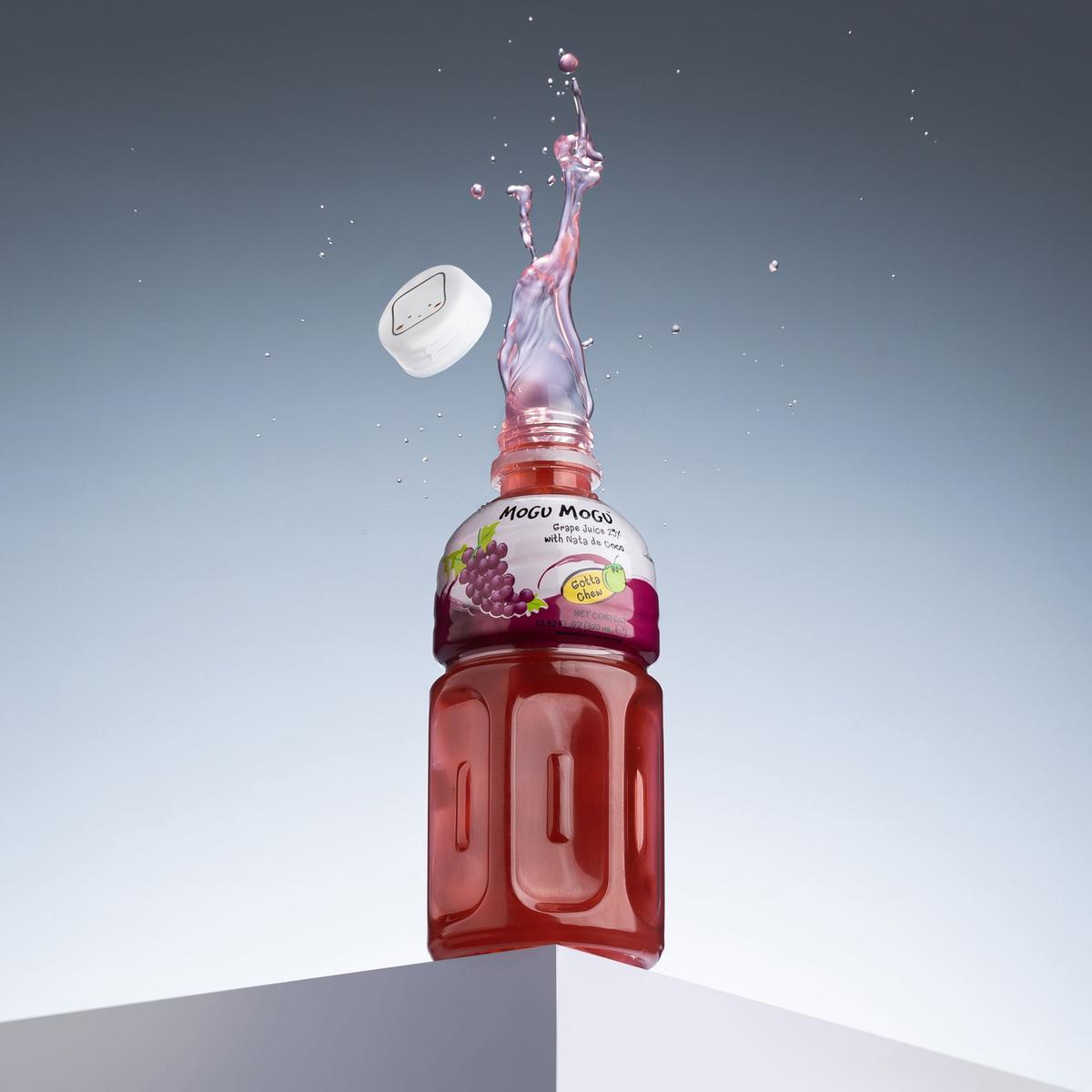
Mogu Mogu Iran Campaign
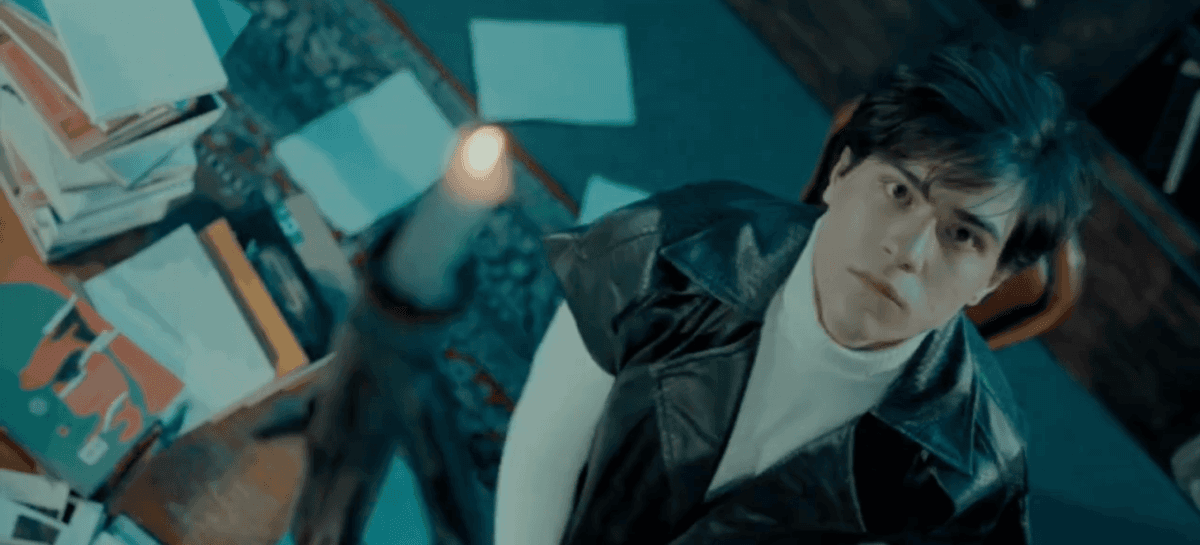
Classino Wednesday
Aftab Oil