- Mistake 1: Siloed Budgets & KPIs
- Why It Happens
- What It Breaks
- Fast Fix
- Mistake 2: No Single Customer View
- Why It Happens
- What It Breaks
- Fast Fix
- Mistake 3: Creative Inconsistency
- Why It Happens
- What It Breaks
- Fast Fix
- Mistake 4: Weak Retail Media Integration
- Why It Happens
- What It Breaks
- Fast Fix
- Why It Happens
- What It Breaks
- Fast Fix
- Mistake 6: Underpowered CRM
- Why It Happens
- What It Breaks
- Fast Fix
- Nokia’s Missed Connection
- Mistake 7: No Post-Purchase Program
- Why It Happens
- What It Breaks
- Fast Fix
- Bonus Mistake: Not Localizing for MENA
- Why It Happens
- Fast Fix
- Real Omnichannel Success Is in the Details
Many FMCG and retail brands across the MENA region believe they already run omnichannel strategies, yet shoppers often perceive a fragmented experience. These common omnichannel mistakes frequently stem from disconnected teams and unaligned processes, which prevent a seamless customer journey. Disconnected data, inconsistent messages, and teams working in silos weaken even the strongest campaigns. This article uncovers the most common omnichannel mistakes that limit brand growth, from poor retail media integration, weak CRM systems, and overlooking post-purchase experiences. It also offers fast, practical ways to fix them.
Whether managing massive Carrefour-level data or leading a small regional retailer, these insights will help you connect every touchpoint, create measurable impact, and build loyalty that lasts. Omnichannel success is not about being everywhere; it is about being connected everywhere, consistently.
Mistake 1: Siloed Budgets & KPIs
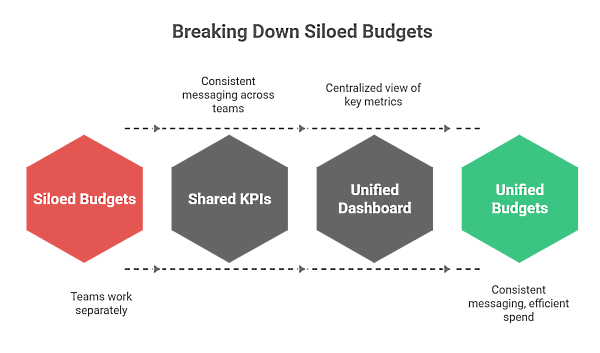
Omnichannel marketing should feel seamless, but many FMCG brands in the Middle East still struggle. The main problem? Teams working in silos with separate budgets and KPIs. It drains performance and wastes money. The following shows why it happens and how to fix it fast, so every channel works together to drive real results.
Why It Happens
Many omnichannel mistakes happen because teams and budgets aren’t aligned across the customer journey. Siloed decision-making is one of the most frequent omnichannel mistakes that reduces efficiency and confuses customers.
- Teams work in isolation: Media, CRM, in-store, and e-commerce teams often operate in separate silos. Each team focuses only on its own goals, with little coordination across the customer journey. In many large organizations, including MENA retailers, this makes the customer experience inconsistent and disjointed.
- Budgets by channel, not outcome: Marketing budgets are often divided per channel or department instead of unified business objectives. Teams end up defending their own spend and optimizing for separate KPIs. For example, a Saudi retailer’s digital team may push Facebook ads while the CRM team runs independent WhatsApp campaigns, both targeting the same shoppers with no shared plan.
What It Breaks
Many omnichannel problems stem from disconnected teams and budgets, which break the customer experience in several ways:
- Inconsistent messaging: Different channels may share conflicting offers, confusing customers and damaging trust. For example, a marketing team promotes a new deal while CRM or sales pushes an old one.
- Overlapping spend on the same user: Uncoordinated campaigns often hit the same customer multiple times, wasting budget and irritating shoppers.
- Lack of attribution clarity: Separate KPIs create fragmented reporting, therefore, they make it hard to know which touchpoint drove a sale. Social ads may seem ineffective alone, even if they influence other conversions.
Fast Fix
To fix siloed teams and budgets, focus on alignment and shared visibility:
- Build shared KPIs: Unite teams around metrics like LTV, CAC, or repeat purchase rate instead of channel-specific goals. This helps everyone work toward the same business outcomes.
- Use a unified dashboard: Pull key metrics from media, CRM, e-commerce, and in-store into one dashboard. This shows how each channel contributes to overall results and prevents overlap.
- Hold weekly connection meetings: Bring all channel owners together regularly to review plans, catch conflicting campaigns, and stay aligned. For example, Noon and Carrefour promos can be coordinated to avoid targeting the same customers twice.
Mistake 2: No Single Customer View
Many FMCG brands in the Middle East struggle to get a complete understanding of their customers because data is scattered across multiple systems. Without a single, unified customer view, marketing efforts become fragmented, personalization suffers, and campaigns lose effectiveness.
Why It Happens
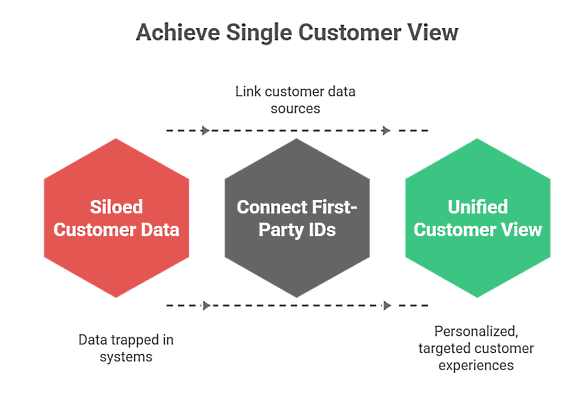
Many FMCG brands in the Middle East struggle to see a complete picture of their customers because data is scattered across multiple systems. CRMs, loyalty programs, e-commerce platforms, and analytics tools each store fragments of information that rarely connect.
Without a central identifier or “ID spine,” one customer can appear as multiple separate profiles across departments. Sales, marketing, and support teams end up working with partial or duplicate data, making it impossible to build a unified, 360° view of the customer.
What It Breaks
When brands lack a single customer view, key marketing capabilities suffer from personalization and targeting precision. These are one of the most overlooked omnichannel mistakes, leading to generic messaging and poor customer engagement across channels.
- Personalization Across Channels: Without connecting customer data, it’s hard to recognize the same person across touchpoints. Shoppers may get generic or repetitive messages. For example, an online buyer visiting a store might be treated as new while still receiving emails for products they already purchased.
- Targeting Precision & Measurement: Fragmented data leads to duplicate targeting and unclear attribution. Marketers can’t accurately track which campaigns drive sales, wasting ad spend and creating blind spots in performance analysis (Data-Axle.com).
Fast Fix
To solve the lack of a single customer view, brands should unify data and create a central identity:
Invest in a CDP or central repository: Consolidate all customer data from CRM, loyalty, e-commerce, and mobile apps into one hub. A Customer Data Platform (CDP) cleans, merges, and standardizes records, producing one up-to-date profile per customer. This ensures all teams and channels reference the same information, avoiding fragmented or outdated data.
Stitch profiles using first-party IDs: Use identifiers like email, phone, account, or loyalty numbers to link separate profiles into one persistent record. Modern identity graphs can even merge anonymous digital behavior with known data as customers log in, continuously updating their profiles. This “ID spine” enables consistent personalization and precise measurement across every channel, improving targeting, ROI, and the overall omnichannel experience.
Mistake 3: Creative Inconsistency
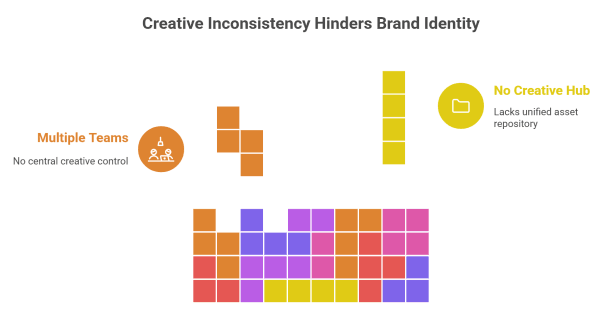
Creative inconsistency happens when a brand’s visuals or messaging aren’t aligned across channels. One ad may look or sound different from an email or a social post, in a way that leaves audiences confused and reduces marketing impact. Here’s why it happens, what it undermines, and how to fix it.
Why It Happens
Here are the main reasons why creative inconsistency happens:
- Siloed Teams or Multiple Agencies: As HighlyPersuasive states, when different teams or agencies create content independently, the brand voice can splinter. Without a shared strategy, each group may interpret guidelines differently, producing visuals and messages that clash. Over time, the brand ends up with no cohesive style or storyline.
- No Central Governance or Asset Hub: When there is no central brand guide or asset repository, teams often work without oversight. They might use outdated logos or off-brand images only because there’s no single source of truth, which leads to fragmented branding across channels.
What It Breaks
Here’s what inconsistent branding can break and why it matters for your campaigns:
- Consumer Trust and Brand Recognition: Inconsistent branding undermines the trust and familiarity you’ve built with your audience. Creative inconsistency is one of the core omnichannel mistakes that brands repeatedly make, weakening recognition and diluting campaigns. If your Instagram posts are fun and colorful but your email newsletters feel formal, people sense something is “off.” Even subtle visual misalignment creates friction and makes your brand seem less professional. Over time, a fractured brand presence weakens recognition, credibility, and confidence in your products or services.
- Lower Campaign Effectiveness: Mixed visuals or messaging dilute the impact of campaigns. Instead of reinforcing one clear story, each channel competes for attention, fragmenting the narrative. This reduces engagement, recall, and ROI, as consumers struggle to connect the campaign across touchpoints. Even well-designed campaigns fail if they aren’t visually anchored and consistent across channels.
Fast Fix
Make sure every campaign starts with clarity and consistency to save time and avoid costly mistakes. Follow these steps:
- Create a Brand Playbook & Cross-Channel Templates: As TechnaDigital suggests, start by developing a comprehensive brand playbook covering logos, colors, fonts, tone, and messaging principles. Use this as the foundation for templates across all channels, social posts, emails, and ads. So every creative begins with a consistent structure. Store these templates in a central hub to ensure teams and agencies always use the approved, up-to-date assets, reducing the risk of fragmented visuals or off-brand designs.
- Review All Assets Across Channels Before Launch: Implement a cross-channel creative review for every campaign. Compare all digital and offline materials - banners, social ads, emails, print - against your guidelines. Check for color, tone, and logo alignment, and fix any inconsistencies before they go live. This pre-launch audit ensures every channel tells the same story, preserves trust, and maximizes campaign impact.
Mistake 4: Weak Retail Media Integration
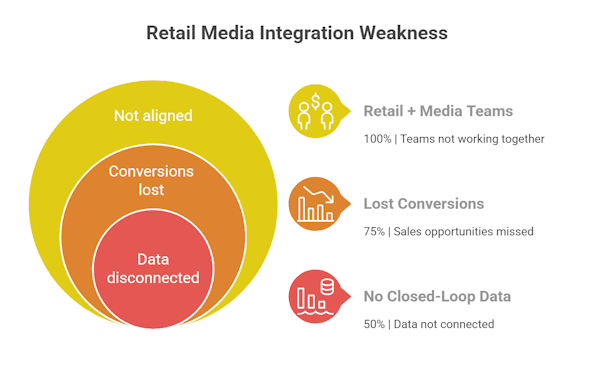
Brands miss out on high-intent shoppers and measurable ROI when retail media isn’t integrated with broader marketing efforts.
Why It Happens
Here are the main reasons why retail media often fails to integrate with broader marketing efforts:
- Retail and Media Teams Operate in Silos: In many FMCG organizations, the retail or shopper marketing teams work separately from the brand’s media and marketing teams. Budgets, goals, and responsibilities are split, so each group moves in its own direction. For example, the shopper marketing team might manage retail media execution while the brand team funds it, creating overlap and confusion. This lack of coordination leads to campaigns that don’t align with in-store promotions or brand messaging, causing missed opportunities for growth and internal friction.
- Limited Access to Retailer Platforms and Shopper Data: According to eMarketer and GainTheory, many brands still rely entirely on retailer-controlled data ecosystems and have little to no access to first-party shopper insights. Retail media networks often keep their audience data closed, preventing brands from merging their own datasets or analyzing real-time performance. Without shared access or collaborative data environments, marketing teams are left “flying blind” at the digital shelf, unable to connect ad spend with actual shopper behavior.
What It Breaks
Here’s what weak retail media integration can disrupt in your campaigns and conversions:
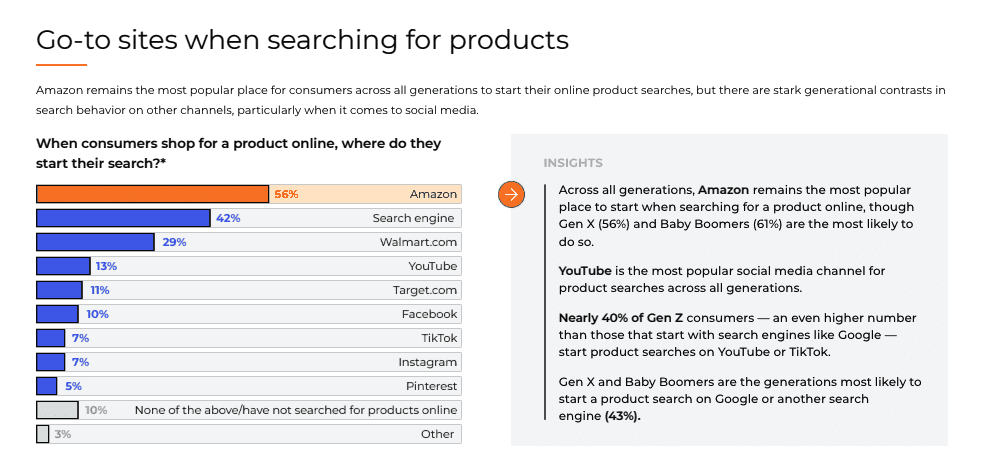
- Lost Performance in Conversion Channels: JungleScout emphasizes that over half of online shoppers start their search on Amazon. Brands that ignore retail media miss high-intent customers ready to buy on platforms like Amazon, Carrefour, or Noon. Competitors win those conversions, while retail media placements often deliver the best ROAS and conversion rates.
- No Closed-Loop Tracking: Without integrating retail and brand media data, marketers can’t connect ad exposure to actual sales. Retail media networks like Walmart’s Sam’s Club link ads directly to purchases, enabling full-funnel visibility. Brands lacking this integration rely on surface metrics and lose insight into what truly drives ROI.
Fast Fix
Here are quick actions to align retail media with your overall marketing strategy:
- Align Media Strategy with Retail Media Networks: Break the silos and make retail media part of your core marketing plan. Prioritize key regional platforms like Carrefour Links, Amazon Ads, and Noon Ads. These networks offer access to high-intent shoppers and powerful first-party data. Carrefour’s retail media platform, for example, lets brands measure impact “from visibility to sales” across all touchpoints. Amazon, where 56% of consumers start product searches, delivers strong ROI through Sponsored Ads and DSP campaigns. In the Middle East, Noon’s ad network helps brands like L’Oréal enhance ROI through better data sharing and performance tracking.
- Map the Full Shopper Path: Connect awareness to conversion by linking media data with retailer sales insights. Use APIs or data clean rooms to track the entire customer journey, from ad impression to purchase, and apply shared KPIs across teams. Sam’s Club, for instance, maps every ad a member interacts with to final sales, offering accurate closed-loop reporting. When media and retail teams align around the same data and goals, brands achieve full-funnel visibility and stronger conversion performance.
Watch the YouTube video showing Sam’s Club retail-media capabilities
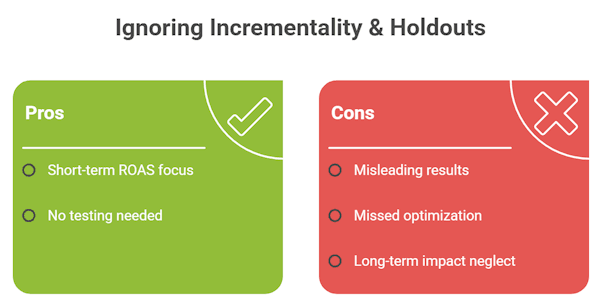
Ignoring incrementality and holdouts happens when brands fail to measure the true impact of campaigns, relying only on surface metrics. This can lead to wasted spend, overestimating performance, and missed opportunities to optimize.
Why It Happens
Here are the main reasons many FMCG teams focus on short-term metrics and skip proper testing:
- Short-Term ROAS Obsession: Many growth teams fixate on metrics like ROAS, clicks, or impressions that look impressive in reports but don’t reflect real incremental growth. For example, according to SearchEngineLand, a 10x ROAS might seem like success, but if most conversions would have happened organically or via other channels, the number is misleading. This focus on immediate results often crowds out experimentation and deeper analysis of real campaign impact.
- Lack of Testing Culture: Organizations without structured experimentation rarely run holdout tests or A/B splits. Optimove believes that teams may fear “leaving money on the table” if they don’t target everyone, so control groups are skipped. As a result, marketing decisions rely on vanity metrics like CTR instead of measuring incremental sales. Leadership that doesn’t support geo-tests or lift studies keeps teams stuck in legacy reporting practices.
What It Breaks
When teams focus on short-term metrics and skip proper testing, several key issues arise:
- Overestimated Performance: Not paying attention to incrementality will create attribution bias, making media and CRM efforts appear more effective than they really are. For example, when eBay paused its brand search ads, sales stayed roughly the same, showing those campaigns were capturing existing demand rather than driving new growth. Without holdouts, marketers credit every email or push notification for revenue that may have happened anyway, and cannibalization of sales goes unnoticed.
- Missed Optimization Opportunities: When true incremental impact isn’t measured, teams optimize based on misleading data. Channels that aren’t actually driving growth may get extra budget, while high-potential tactics are overlooked. If there are no A/B tests or holdouts, insights to refine targeting, messaging, or frequency are lost, wasting spend and stalling improvement, the result will be undermining trust in marketing.
Fast Fix
To correct the focus on short-term metrics and measure real impact, brands should adopt incrementality testing:
- Run Geo Holdouts & Lift Tests: Measure true campaign lift by holding out certain regions or audience segments. Ignoring incrementality is a common omnichannel mistake that can make even well-funded campaigns appear more effective than they really are. Leading MENA e-commerce players like Noon use geo-lift studies during major campaigns to identify which ad spend actually drives incremental orders. Treat every campaign as an experiment to prove its value before scaling.
- Isolate CRM and Loyalty Impact: Apply holdouts in loyalty or CRM campaigns, send an offer to 90% of customers, and withhold 10% as a control group, according to the Optimove and Rejoiner articles. Compare purchase rates to see if the promotion truly lifts behavior. Combine this with Marketing Mix Modeling (MMM) to estimate channel contributions from historical data. Together, these approaches create a continuous feedback loop to optimize spend, prioritize tactics that drive real growth, and shift focus from vanity metrics to measurable incremental outcomes.
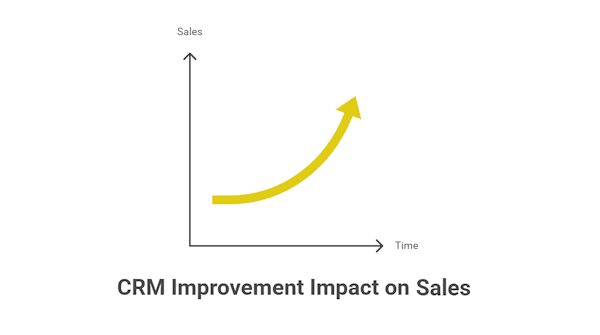
Mistake 6: Underpowered CRM
You might ask when an underpowered CRM happens. The answer is when customer data isn’t fully connected or campaigns rely on one-size-fits-all messaging. This leads to irrelevant communications, missed opportunities, and weaker customer engagement. Here’s why it happens, what it undermines, and how to fix it.
Why It Happens
Here are the main reasons CRM campaigns often underperform:
- Over-Reliance on Email-Only CRM: Many brands still use basic, email-centric CRMs with “batch-and-blast” campaigns and little segmentation. This one-size-fits-all approach creates generic messaging that doesn’t respond to individual behavior. eHotelier shows multi-channel CRM strategies can drive up to 8× more conversions than email alone.
- Lack of Integration Across Channels: Underpowered CRMs often operate in silos, disconnected from media platforms, e-commerce sites, and loyalty apps. Without integration, customer data can’t flow across touchpoints, so follow-ups, ad suppression after purchase, and personalized messaging are limited, leaving the full omnichannel potential untapped.
What It Breaks
When CRM systems are underpowered or siloed, several key issues emerge:
- Limited Personalization and Relevancy: When the customer’s view is not unified, messaging will lose its personal touch. Shoppers who receive irrelevant offers, such as a promotion after buying, express that the brand cannot understand them. This approach breaks the customer journey and weakens loyalty.
- Poor Repeat Purchase and Win-Back Performance: Underpowered CRMs miss key triggers such as cart abandonment reminders or browser-based retargeting, leading to lost revenue. Lack of automated win-back flows means lapsed customers stay disengaged, while timely campaigns can boost repeat purchases and increase lifetime value.
Fast Fix
To unlock the full potential of CRM and drive omnichannel engagement:
Upgrade to an Omnichannel CRM Platform: Adopt a modern platform like Braze, Klaviyo, or Salesforce Marketing Cloud that unifies customer data across email, app, website, ad channels, and loyalty programs. Failing to leverage CRM capabilities entirely is one of the frequent omnichannel mistakes that results in irrelevant messaging and lost sales opportunities. Leading MENA brands such as Majid Al Futtaim and Noon use Braze to deliver seamless, personalized experiences across multiple touchpoints, including WhatsApp.
Implement Real-Time, Behavior-Based Automations: Move away from batch email blasts and set up triggered journeys that adapt to individual user behavior. For example, send abandoned cart reminders via email or WhatsApp within 30 minutes, or deliver category-specific product recommendations based on browsing behavior. Predictive metrics, such as next purchase date or LTV, help schedule timely re-engagement.
Leverage App and WhatsApp Integrations: Integrate your CRM with mobile push notifications and WhatsApp Business API to reach customers on channels they use most, as DigitalBoost says. Automated, behavior-driven messages, such as discount codes or back-in-stock alerts, increase engagement, retention, and overall loyalty in the MENA market.
Nokia’s Missed Connection
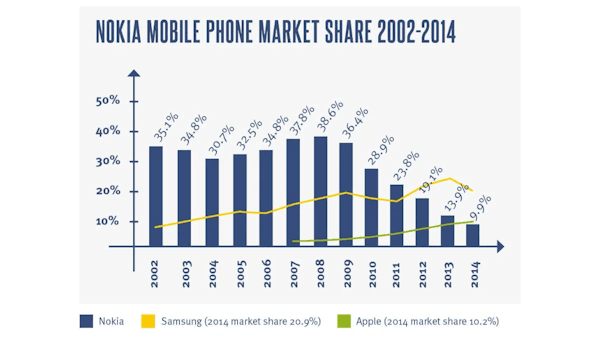
Nokia’s decline illustrates what happens when systems and strategies fail to evolve together. As the mobile landscape shifted toward integrated ecosystems, Nokia’s platforms remained fragmented. In fact, its hardware, software, and digital touchpoints never fully synchronized. The result was a brand disconnected from its users’ evolving expectations.
In the marketing world, an underpowered CRM creates the same disconnect: customer data trapped in silos, delayed responses, and missed personalization opportunities. Just as Nokia’s isolated systems weakened its market dominance, fragmented CRMs prevent brands from delivering seamless, data-driven experiences that retain loyalty and drive growth.
Mistake 7: No Post-Purchase Program
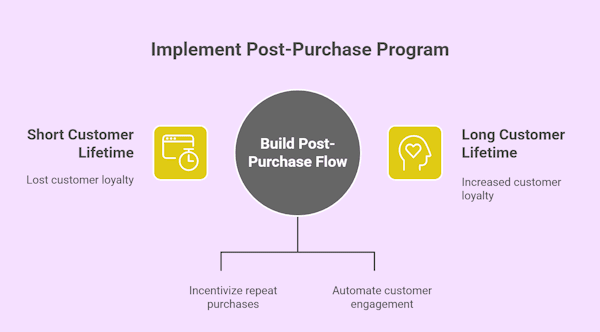
Lacking a post-purchase program means brands miss opportunities to engage customers after a sale, which can limit loyalty, repeat purchases, and overall lifetime value. Here’s why it happens, what it undermines, and how to fix it.
Why It Happens
- Acquisition over retention: Marketing teams often pour budgets into winning new customers and “big splash” campaigns, but then lack a plan for what happens after the sale. In practice, brands may not even have a dedicated CRM/loyalty team or owner for the post-purchase lifecycle, so customers who have bought once fall off the radar.
- Lack of ownership and resources: Without a clear owner of the customer lifecycle (e.g., a loyalty manager or CRM lead), no one builds the emails, workflows, or campaigns that keep buyers engaged. Teams may not allocate budget or staff to retention, treating it as an “afterthought.” This mindset leads to neglect of existing customers even though nurturing them is far cheaper than continually replacing them.
What It Breaks
Neglecting post-purchase engagement impacts both customer value and loyalty:
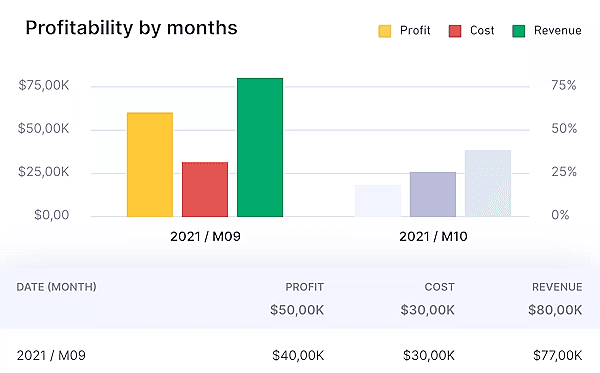
- Short Customer Lifetime Value (CLV): Without follow-up programs, customers rarely return. Even minor improvements in retention can significantly boost profits. According to ByAssociationOnly, for example, a 5% increase in retention can raise profits by 25%–95%. Post-purchase programs directly increase repeat purchases and CLV, while ignoring them keeps acquisition costs high since gaining a new customer can cost 5× more than retaining one. To make this impact more tangible, the chart below (adapted from Productive.io) illustrates the link between profitability and retention, and shows how improvements in retention rate drive revenue and profit over time.
- Missed Loyalty and Advocacy: Skipping post-sale touchpoints loses the chance to turn buyers into fans. If there is no nurturing, customers won’t join loyalty programs or refer others. As a result, repeat purchases will occur through word of mouth. Brands that actively engage after the first purchase foster loyalty, encourage more frequent buying, and unlock long-term customer value.
Fast Fix
To turn first-time buyers into loyal customers, focus on timely, personalized post-purchase engagement:
- Send a Thank-You/Confirmation Message: Immediately after checkout, trigger an email, SMS, or WhatsApp message that thanks the customer and confirms the order. Include purchase details and delivery expectations to build goodwill and start the relationship.
- Add Reorder Reminders: For consumable products, automate reminders based on usage cycles. For example, send alerts for coffee or pet food just before the customer runs out, making reordering easy and encouraging repeat purchases.
- Request Feedback and Reviews: A few days after delivery, ask for product feedback or reviews with a simple, one-click process. Consider incentives like loyalty points or discounts to show appreciation and boost social proof.
- Invite Referrals or Loyalty Sign-Up: Encourage satisfied customers to refer friends or join your loyalty program. Offers like “invite a friend and get 15% off” reward engagement and drive growth (Moosend.com).
- Surprise and Delight Top Customers: Use CRM or loyalty data to send unexpected rewards on birthdays, milestones, or as VIP perks. Personalized gestures make customers feel valued and can strengthen loyalty and advocacy.
Bonus Mistake: Not Localizing for MENA
When brands roll out global campaigns in the MENA region and do not adjust for local language, culture, or consumer habits, their messages often miss the mark, lowering impact and audience connection. Let’s explore the causes, the consequences, and practical ways to address it.
Why It Happens
Here are the main reasons MENA campaigns often fail to connect:
- One-Size-Fits-All Campaigns: Global teams sometimes reuse creatives from New York or London, assuming they’ll work in Dubai or Riyadh. Humor, imagery, or taglines that succeed in Europe can fall flat or even offend Arabic-speaking audiences. Without local insight, brands end up speaking for MENA customers rather than with them.
- Language and Cultural Gaps: Many CRMs default to English-only content, but Arabic-first messaging is often essential. Arabic ads can see 30% higher engagement than English ones. Western themes, such as individualism, can clash with GCC values of family, tradition, and community, thereby limiting resonance.
- Treating MENA as One Market: The region isn’t homogeneous. Saudis, Emiratis, Egyptians, and others have different customs, income levels, and media habits. A campaign tuned for Dubai expats may fail in conservative Riyadh or rural Egypt. Ignoring these nuances risks missing your audience entirely.
Fast Fix
If you want to make campaigns resonate in MENA, you had better focus on language, culture, and local channels:
- Bilingual Content & RTL Design: Deliver campaigns in both Arabic and English, with right-to-left layouts and high-quality localized copy. Leading brands like Noon.com let users switch languages, boosting engagement and CTRs. Avoid literal translations; instead, adapt idioms, dates, and references to ensure local relevance.
- Culture-First Campaigns: Align promotions with key occasions such as Ramadan, Eid, National Day, or back-to-school. For example, HungerStation’s Ramadan campaign used MBC’s Fananees mascots to tap festive emotions, and Talabat leverages culturally relevant campaigns to increase engagement.

Watch the HungerStation and Fanannes ad on YouTube
- Partner with Local Platforms & Channels: Use the apps and media MENA consumers rely on daily. Food and grocery apps like Talabat, Nana, or HungerStation can host co-branded FMCG promotions or loyalty rewards, and regional CRM tools like WhatsApp Business (~23M users in KSA, 9M in UAE) allow automated, high-performing engagement via order updates, cart reminders, or exclusive offers.
Real Omnichannel Success Is in the Details
Omnichannel marketing isn’t just a trendy term. It’s a carefully orchestrated system where every touchpoint, every message, and every interaction counts. Small misalignments, siloed budgets, fragmented customer data, inconsistent creative, weak CRM flows, or ignoring local nuances can quietly erode loyalty and waste valuable resources. Brands that tackle these issues don’t just run campaigns; they gain a holistic view of their customers, measure the actual impact of every channel, and drive repeat business through meaningful, personalized experiences.
The challenge isn’t just identifying mistakes. It’s acting decisively. Can your team stitch together data, unify messaging across channels, and deliver culturally relevant, real-time experiences at scale? This is where omnichannel excellence separates leaders from followers.
At Lamana Digital Marketing Agency, we specialize in transforming fragmented marketing efforts into connected commerce engines. We help FMCG brands in the MENA region optimize their data, creative, and CRM to build lasting loyalty. If you are ready to stop guessing and start proving the value of every touchpoint, it’s time to elevate your omnichannel game.